


The last federal election was April 2025. The University's main and Foothills campuses are in the federal riding Calgary Confederation (map left), represented by Liberal MP Corey Hogan. Conservative MPs Greg McLean and Pat Kelly represent its campuses in Downtown (Calgary Centre) and Spyhill (Calgary Crowfoot) respectively.
What's New
Learn about voting in the 2026 Alberta Referendum, and finding job opportunities with Elections Alberta.
Important!
Third-party websites linked to on this page are beyond the SU's control. The SU is not responsible for their content and cannot guarantee their information is accurate. Always consult official Elections websites.
Jump to...
Your SU is a democratic institution, and we believe voting is one of the most important ways you can advocate for yourself. We've compiled all the information you'll need to cast your ballot for elections held by any tier of government, including your Students' Legislative Council.
As a non-partisan organization, we do not endorse any particular party, platform, or candidate. This page is for information only, and we urge you to vote with the best interests of you and your communities in mind.

This October, Albertans will vote on ten important questions, spanning constitutional matters to whether Alberta should stay in Canada. Voting day is October 19, but advance voting stations will operate across Calgary from October 13 to October 17. You have until September 25 to apply online to vote by mail (officially called a special ballot).
Elections Alberta will also be hiring thousands of temporary staff across Alberta to run polling stations and count votes. These are great opportunities for students to earn experience and extra income, so we encourage you to apply.
For extra support, the Dogs for Democracy will pay a visit to campus on October 7, accompanied by human volunteers who'll talk you through how to vote.
The Questions
On October 19, eligible voters will vote on 10 referendum questions to inform the Government of Alberta’s policies, on issues ranging from immigration to the constitution. Albertans will be able to vote on the day, or in advance. Below, we explain all 10 questions you'll be asked. We include the original wording from the Government of Alberta, an explanation of what that means, and the implications of voting "yes" or "no".
NON-CONSTITUTIONAL QUESTIONS (QUESTIONS 1 - 5)
Q1. Do you support the Government of Alberta taking increased control over immigration for the purposes of decreasing immigration to more sustainable levels, prioritizing economic migration and giving Albertans first priority on new employment opportunities?
What it means
The Government of Alberta is asking if you'd like Alberta to take more control over immigration decisions, with the goal of reducing immigration. If you vote yes, you're telling the Government of Alberta to ask the federal government for more control over immigration. If you vote no, you're saying that immigration should continue to be set by the federal government.
Q2. Do you support the Government of Alberta introducing a law mandating that only Canadian citizens, permanent residents and individuals with an Alberta-approved immigration status will be eligible for provincially-funded programs, such as health care, education and other social services?
What it means
If this exact question were enforced, people in Alberta on a temporary permit would be cut off from education, health care, and other social services, even if they pay tuition or taxes. If you vote yes, Alberta would introduce its own tests of immigration status for public services, on top of the federal test that already exists. If you vote no, the existing rules stay in place.
Q3. Assuming that all Canadian citizens and permanent residents continue to qualify for social support programs as they do now, do you support the Government of Alberta introducing a law requiring all individuals with a non-permanent legal immigration status to reside in Alberta for at least 12 months before qualifying for any provincially-funded social support programs?
What it means
This question is asking whether you want Alberta to put a one-year waiting period on temporary residents accessing social support programs. If you vote yes, temporary residents would lose access to provincial social supports for their first year here. If you vote no, the existing rules stay in place.
Q4. Assuming that all Canadian citizens and permanent residents continue to qualify for public health care and education as they do now, do you support the Government of Alberta charging a reasonable fee or premium to individuals with a non-permanent immigration status living in Alberta for their and their family's use of the health care and education systems?
What it means
Should the province charge fees for health care and schooling to non-permanent residents, on top of the taxes these individuals already pay? If you vote yes, Alberta would charge these fees and premiums to non-permanent residents. If you vote no, there would be no added fees for non-permanent residents.
Q5. Do you support the Government of Alberta introducing a law requiring individuals to provide proof of citizenship, such as a passport, birth certificate or citizenship card, to vote in an Alberta provincial election?
What it means
The government is asking whether you think people should show proof of citizenship when they go to vote. If you vote yes, voters would have to bring additional items to prove their citizenship (e.g., passport, birth certificate). If you vote no, the current rules continue. Albertans already need ID to be able to vote.
CONSTITUTIONAL QUESTIONS (QUESTIONS 6 - 9)
Q6. Do you support the Government of Alberta working with the governments of other willing provinces to amend the Canadian Constitution to have provincial governments, and not the federal government, select the justices appointed to provincial King's Bench and Appeal courts?
What it means
This question wants to know if you think Alberta should have the power to appoint judges to the province's two highest courts: the King’s Bench, and Appeals. (The province currently appoints judges to the Alberta Court of Justice, the first tier in Alberta's court system.)
If you vote yes, Alberta would push for a constitutional amendment so that the federal government no longer appoints superior court judges. To succeed, Alberta would need to convince seven provinces that represent 50% of Canada's population, and then convince parliament. If you vote no, the federal government would continue to appoint these judges.
Q7. Do you support the Government of Alberta working with the governments of other willing provinces to amend the Canadian Constitution to abolish the unelected federal Senate?
What it means
You're being asked if you believe the Senate of Canada should be scrapped. If you vote yes, the Government of Alberta would advocate for a constitutional amendment to abolish the Senate. This requires unanimous consent from the federal parliament and every single province. If you vote no, the Senate continues.
Q8. Do you support the Government of Alberta working with the governments of other willing provinces to amend the Canadian Constitution to allow provinces to opt out of federal programs that intrude on provincial jurisdiction such as health care, education and social services, without a province losing any of the associated federal funding for use in its social programs?
What it means
The federal government sometimes gives provinces money to spend with conditions attached (e.g., your student loan likely comes partly from the federal government and partly from the provincial government, but depending on the source of the funds, you have different repayment rules). This question is asking whether you want the Government of Alberta to be able to collect the funding but opt out of the rules.
If you vote yes, the Government of Alberta would advocate for a constitutional amendment so that provinces can opt out of federal rules. Alberta would need to convince seven provinces that represent 50% of Canada's population, and then convince parliament. If you vote no, existing federal funding arrangements continue.
Q9. Do you support the Government of Alberta working with the governments of other willing provinces to amend the Canadian Constitution to better protect provincial rights from federal interference by giving a province's laws dealing with provincial or shared areas of constitutional jurisdiction priority over federal laws when the province's laws and federal laws conflict?
What it means
This question says that if provincial law and federal law conflicts in shared areas, provincial law should win. If you vote yes, the Government of Alberta would advocate to overturn federal paramountcy. The government would need to convince seven provinces that represent 50% of Canada's population, and then convince parliament. If you vote no, federal paramountcy continues as it has done since 1867.
INDEPENDENCE QUESTION (QUESTION 10)
Q10. Should Alberta remain a province of Canada, or should the Government of Alberta commence the legal process required under the Canadian Constitution to hold a binding provincial referendum on whether or not Alberta should separate from Canada?
What it means
Do you want Alberta to remain a province? Or do you want the government to start work on holding a second, binding vote on leaving Canada? Unlike the other questions, which are yes/no, this question will give you two options to choose from:
Voting option 1 keeps Alberta within Canada. Option 2 begins a process that may lead to a second binding referendum.
The next general election of the Students' Union is due in February 2027.
Alberta's next provincial election must be held on or before October 18, 2027.
Canada's next general federal election must be held on or before October 15, 2029.
The City of Calgary's next municipal election is due October 2029.
To stay informed about federal elections, sign up for Elections Canada's alerts and reminders.
To stay informed about provincial elections, follow Elections Alberta's social media.
To stay informed about municipal elections, sign up for Elections Calgary's newsletter.
To stay informed about SU elections, subscribe to our calendar or follow our Instagram.
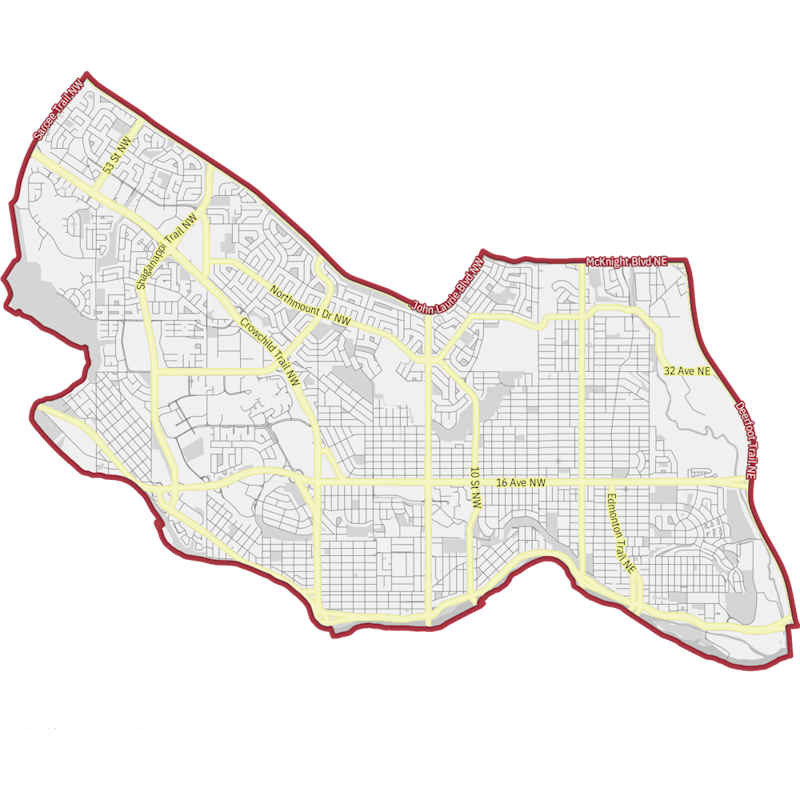
The last provincial election was May 2023. Calgary-Varsity is the provincial district of the University's main and Foothills campuses, represented by New Democratic Party (NDP) MLA Dr. Luanne Metz. NDP MLAs Joe Ceci and Court Ellingson represent its Downtown (Calgary-Buffalo) and Spyhill (Calgary-Foothills) campuses respectively.
The University of Calgary's campuses all fall within the City of Calgary's Ward 7, which has been represented by Councillor Myke Atkinson since the last municipal election in October 2025. The Mayor of Calgary, who represents Calgary as a whole, is Jeromy Farkas, also elected October 2025.
All undergraduates elect officials to the Students' Legislative Council. Led by a cabinet of a President and four Vice-Presidents, the rest of the Council consists of Faculty representatives. Students also elect representatives for the University's governing Board of Governors and Senate.

Further reading.
Page last updated: October 2, 2026